The promise of a live casino with private tables is simple on paper: a real dealer, a quiet booth, the croupier calling your name rather than three other punters’ first. The execution is where it frays. From my time leading visual direction across Playtech-style live lobbies, I reckon the room dressing tells you almost everything about the operator behind it – camera framing, chip-stack render, bet-placement latency. If those fundamentals slip, deposits feel just as clumsy.
Private Or Personal – What Actually Differs
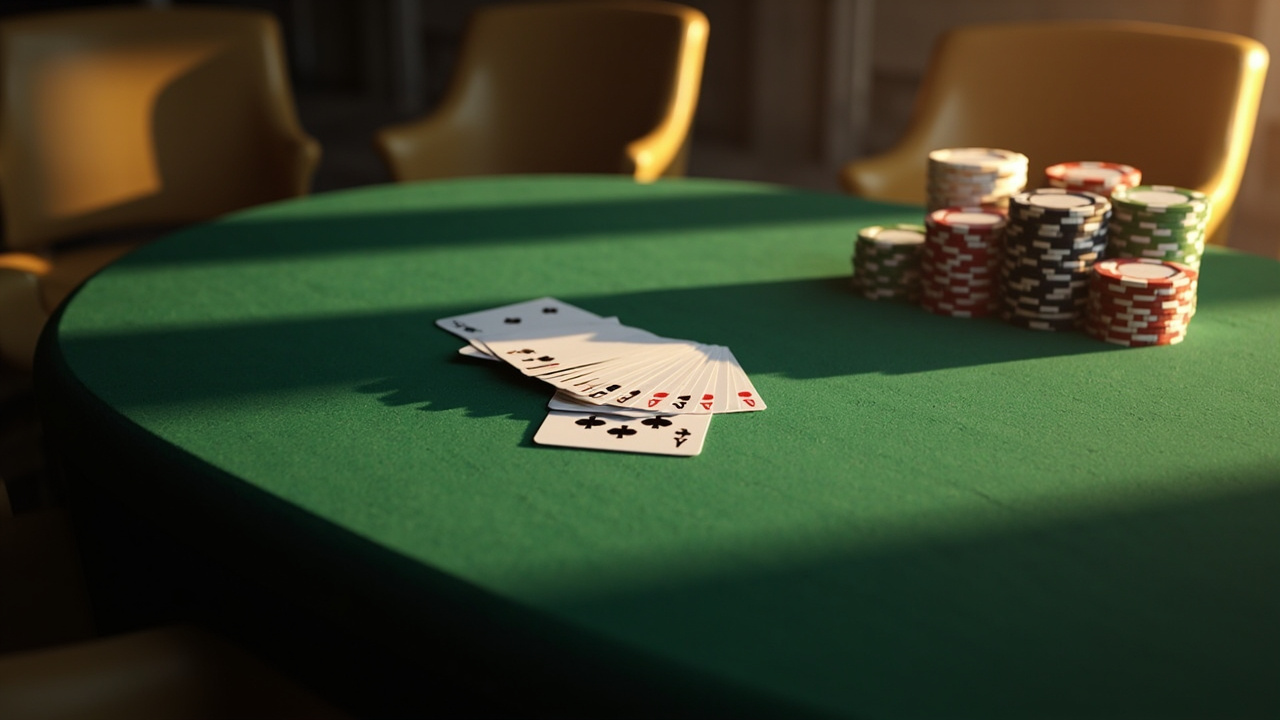
A genuine private table means a single seat per camera arc, a dealer assigned to your session, and bet windows that often extend or shorten to your pace. Shared VIP rooms, by contrast, resemble a packed RSL in Parramatta on a Saturday arvo – same dealer, same shoe, no personalised rhythm. Studios that handle both tend to render private rooms in muted, warmer palettes because extended sessions on bright red felt strain the eye after forty minutes. That design choice alone reveals how the operator expects you to stay.
Banking Speed Is The Real Test
Cameras and croupiers are theatre. Payments are the load-bearing wall. The operators worth a look for Australian players run deposits and withdrawals in AUD via POLi, PayID, Visa, and a handful of e-wallets, settling withdrawals inside twenty-four hours once verification is cleared. Anything slower, or anything that swings balances through offshore currency conversion mid-transaction, burns the goodwill a private booth just earned. Cameron King, Head of Analytics at Waratah Digital Group, frames it bluntly: “A 48-hour pending window on a VIP withdrawal undoes every camera trick the studio invested in. Speed is the product.”
If you want a starting point, a sensible working reference is the live casino with private tables entry most Australian players reach for first. Just remember the lobby is the brochure – the cashier tells you the truth.
What To Weigh Before You Sit Down
Three decisions decide whether a private table pays off for you. First, table limits relative to your bankroll: most private rooms open at higher minimums than public tables, so a $5 chip habit won’t fit. Second, bonus mechanics tied to live play: game-weighting often caps wagering contribution at ten to twenty per cent, which extends a $200 bonus into days rather than an arvo. Third, mobile performance – private studios stream at 60fps by default, and older handsets in suburban Western Sydney drop frames during side-bet spin-ups, so a current device defo matters.
Aaron King, Digital Acquisition Director at Coral Coast Interactive, puts the trade-off this way: “Players chase the boutique feel of a private room and then forget to test what happens when they want their money out at 11pm on a Sunday. Run a small withdrawal before you commit to a lobby.”
Reading The Studio Before You Register
Spend sixty seconds on the registration page and you’ll learn more than any marketing email will tell you. Licence information sits in the footer; KYC requirements show in the cashier; support hours sit in the help menu. Operators serious about Australian traffic staff chat coverage across AEST, including the cricket-watching hours when traffic spikes. Those small details separate the platforms that treat private tables as a permanent fixture from the ones that launched one room as a promotion and forgot it.
For context on how the table side of live play actually runs day-to-day, this practical live-roulette guide walks through the camera angles, bet timing, and dealer-pacing patterns you’ll recognise once you’re seated.

The benchmark, then, is straightforward. Pick the operator whose withdrawal flow passes your smallest test, whose private-table limits suit your stake, and whose studio design treats long sessions as the norm rather than the exception. Your arvo is too short to squander it on buffering lobbies and stalled payouts.